
Business Model Misfits: What Poor Alignment Really Costs You
When legacy product support starts creating problems, most OEMs assume something is going wrong with execution. Engineering leadership wonders why teams cannot stay on top of aging designs. Operations struggles with the disruption of small-lot manufacturing, while finance sees unexpected costs and margin erosion. The natural assumption is that better processes, more resources, or stronger execution will solve the problem. But that is rarely the real issue….
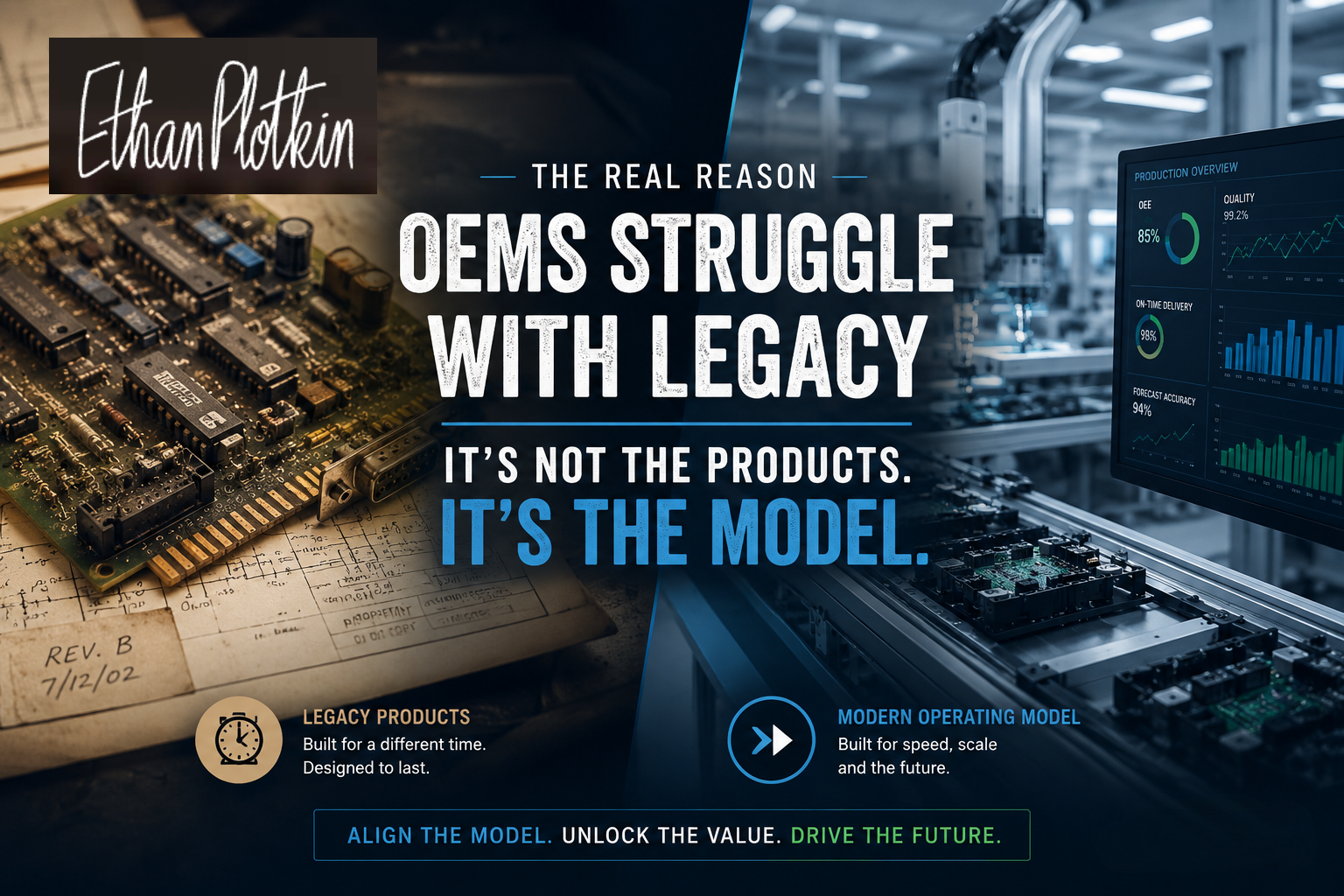
Why OEM Legacy Product Support Fails: It’s Not the Products. It’s the Operating Model.
When legacy product support starts creating problems, most OEMs assume something is going wrong with execution. Engineering leadership wonders why teams cannot stay on top of aging designs. Operations struggles with the disruption of small-lot manufacturing, while finance sees unexpected costs and margin erosion. The natural assumption is that better processes, more resources, or stronger execution will solve the problem. But that is rarely the real issue….
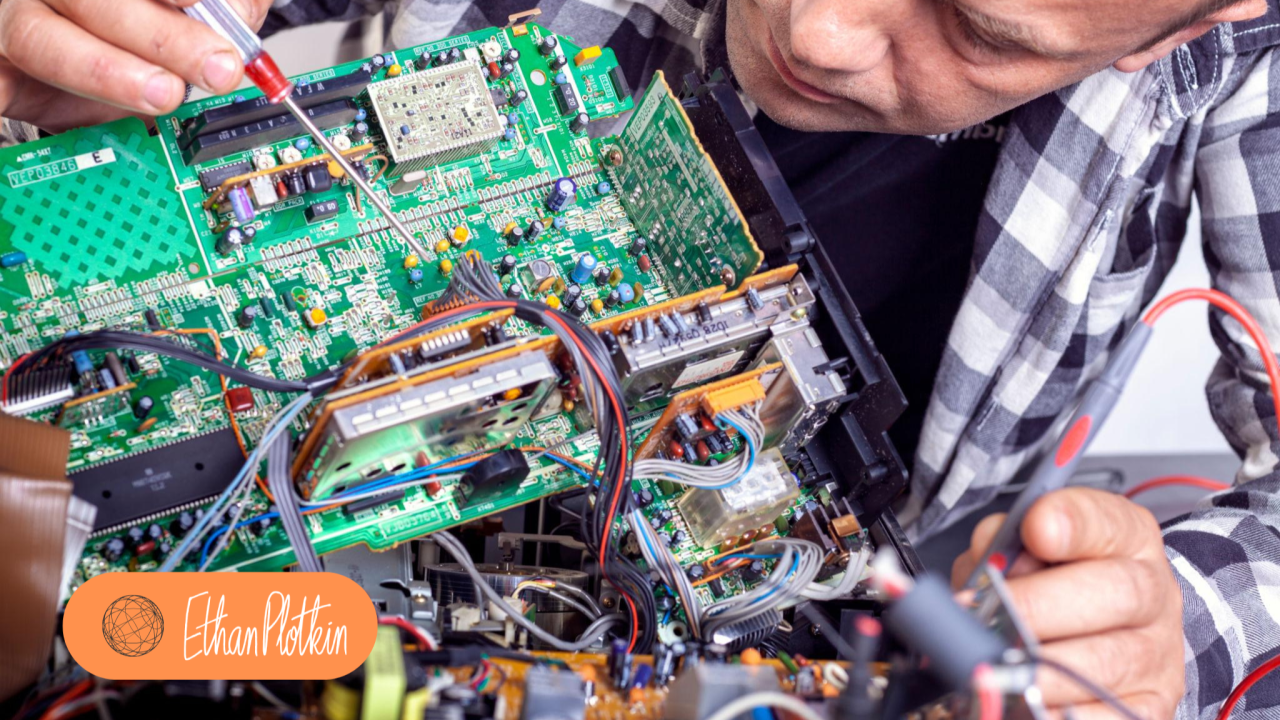
Legacy Work Isn’t Customer Success. It’s Brand Risk.
When legacy performance fails, customers don’t see old products, they see your brand.
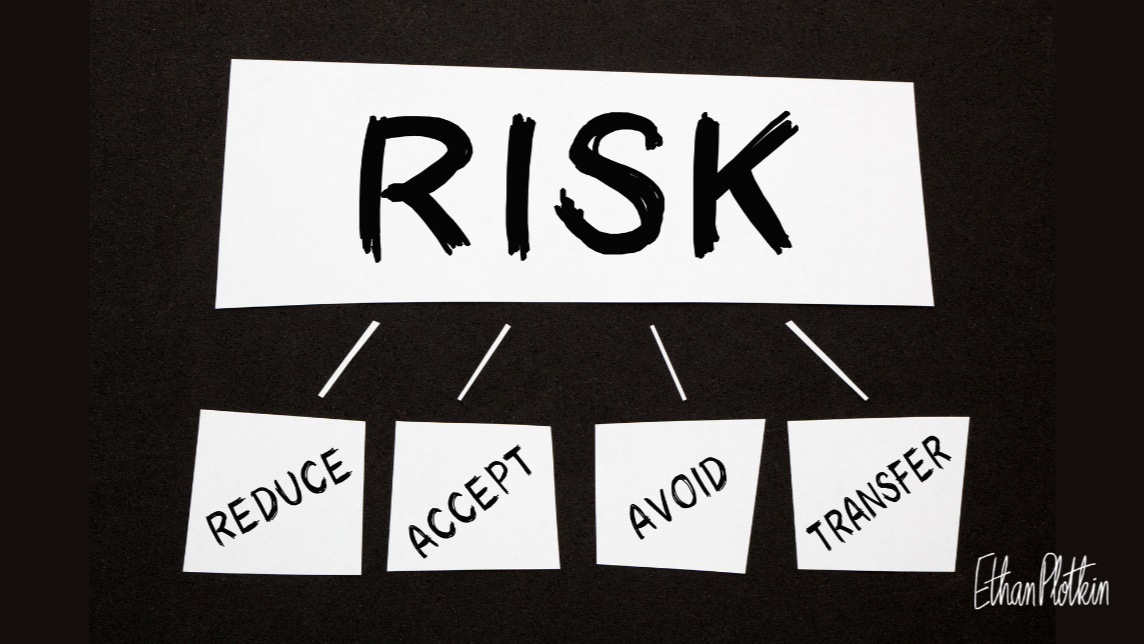
Who Owns the Risk in Legacy Sustainment?
End-of-life decisions are often treated as a form of closure. Production stops, roadmaps move on, and leadership believes exposure has been reduced. In reality, the moment demand for a legacy product continues, risk remains in the system.

How Long Is Too Long to Keep Building That Board?
When the Portfolio Stops Serving the Strategy Return on Investment (ROI) is the compass for corporate strategy. Done well, it guides leadership toward opportunities with the best potential to grow revenue, expand margins, and build long-term advantage. But at most Embedded OEMs, ROI is treated as a one-time event.

You Can’t Grow and Hoard at the Same Time
When the Portfolio Undermines the Mission At many embedded OEMs, leadership articulates a bold strategy: drive innovation, focus on engineering excellence, and build the future. But the product portfolio tells a different story, one cluttered with decades-old SKUs, expired platforms, and legacy obligations that never seem to go away.

The Hidden Costs of Hybrid Business Models: Why Running Innovation and Sustainment Under One Roof Quietly Undermines Growth
You Can’t Accelerate With One Foot on the Brake Embedded OEMs want to grow, but many are unintentionally hold themselves back. While chasing innovation, they also sustain aging products, trying to keep long-time customers happy. This dual mission leads to a hybrid business model that feelsunbalanced. Why? Behind the scenes, it silently drains resources, muddies priorities, and distorts the portfolio.